Dissemination of the National Urbanization Policy in Kigali City
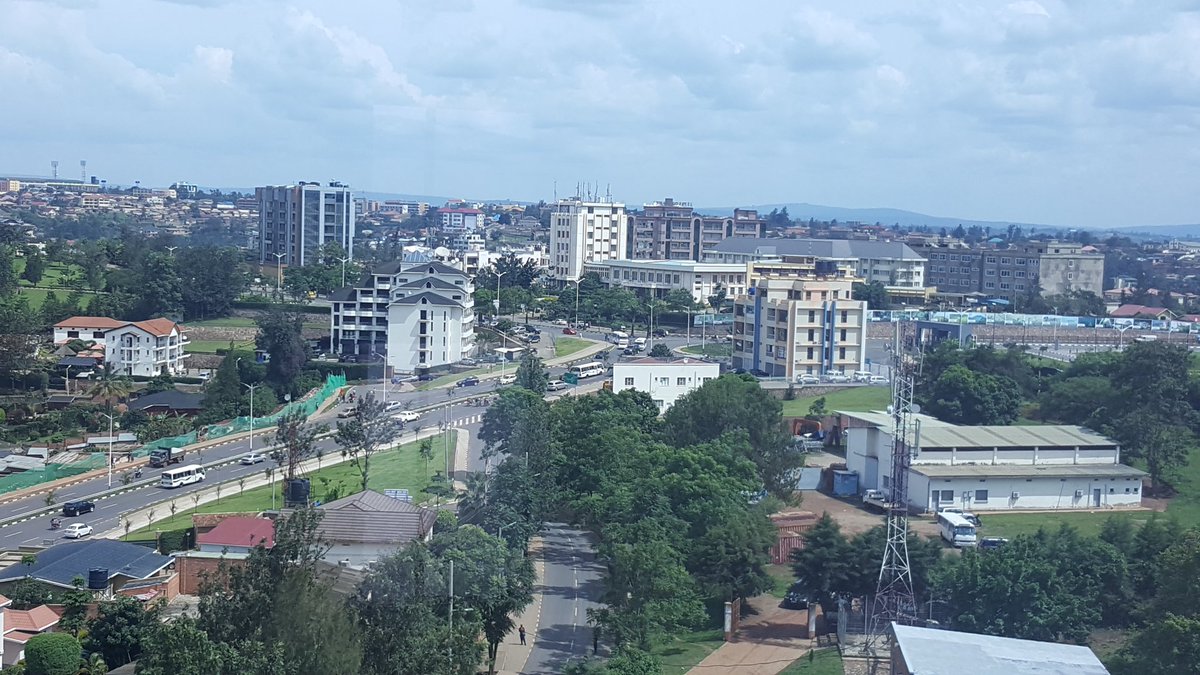
On Wednesday the Ministry of Infrastructure (MININFRA), in collaboration with the City of Kigali and Rwanda Housing Authority (RHA) conducted an awareness campaign to deliver the provisions of the National Urbanization Policy (NUP) One Stop Center Staff, development partners, stakeholders and citizen representatives in Kigali city. The sensitization session was aimed at ensuring that the participants understand the potential of developing and implementing sustainable green city development policies and strategies.in Kigali city.
The dissemination workshop was officiated by the Minister of State in the Ministry of Local Government Munyeshyaka Vincent, the Mayor of the City of Kigali Nyamulinda Pascal and the acting Director General of Rwanda Housing Authority Kampayana Augustine.
In his opening remarks Minister of State Munyeshyaka reiterated the commitment of the government in truly making urban areas economic vibrant and emphasized the need for local leaders to be at the forefront of implementing the new national urbanization policy. “Local leaders should play an active role in dealing with illegal construction and also tackle the issue of corruption which is the main cause of illegal construction”, Minister Munyeshyaka said.
The National Urbanization Policy set interwoven four pillars of coordination, densification, conviviality and economic growth. In addition, this policy is guided by principles of sustainability and resilient, integrated planning, decentralized urban governance, participatory planning, flexibility and market-responsiveness, sustainable land use, appropriate tools for urban management as well as social inclusion and cultural preservation.
Basing on its pillars and principles, the policy is therefore meant to address main issues of institutional arrangement and coordination, urban sprawl and access to infrastructure and basic services, quality of life, recreational areas and urban cultural heritage, fiscal and economic environment as well as financial system to promote industrialization and job opportunities.
As per the Fourth Integrated Household Living Conditions Survey (EICV 4): 2013/14, Main indicator report, 2015 the urbanization rate in Rwanda currently stands at around 17.3% and almost half of it is concentrated in Kigali, the capital city, with about 1.1 million inhabitants.
Despite the low urbanization rate, the annual growth rate of the urban population (4.5%) far exceeds the worldwide average of 1.8% and urban growth rate in Africa 3.2%. Welcoming the global acceptance that well managed urbanization with necessary urban administrative and development management framework established and functional, can be correlated to economic growth and a powerful tool for transforming production capacities and income levels in developing countries like Rwanda, the Government of Rwanda took the positive side of urbanization and has an ambitious objective of accelerating the urbanization to achieve an urban population of 35% by 2020. This urbanization target is linked to the achievement of socio-economic development targets like increased access to sanitation facilities, clean water, electricity and increasing the average annual growth of gross domestic product (GDP) from 6.2 per cent in 2000 to 11.5 per cent by 2020, and the annual GDP per capita to USD 1,240. The Economic Development and Poverty Reduction 2 (EDPRS 2) recognizes the importance of developing secondary cities to unlock transformative economic opportunities. However, for this to work, significant investment in infrastructure and skills development is needed in secondary cities with direct linkages to their emerging visions and strategies to attract investment and catalyze economic and urban growth.
In addition to the efforts being made in the urbanisation sector, GGGI in collaboration with the Government of Rwanda is implementing “Rwanda Climate Resilient Green Cities Program” and has developed a National Roadmap for Green Secondary Cities Development (NRGSCD). This roadmap provides simple but tangible key actions to facilitate the government quest to transition to a ‘green economy’ approach to economic transformation, especially in the development of Rwanda’s Secondary cities as poles of economic growth with balanced development opportunities that will enable sustainable livelihood and poverty reduction.